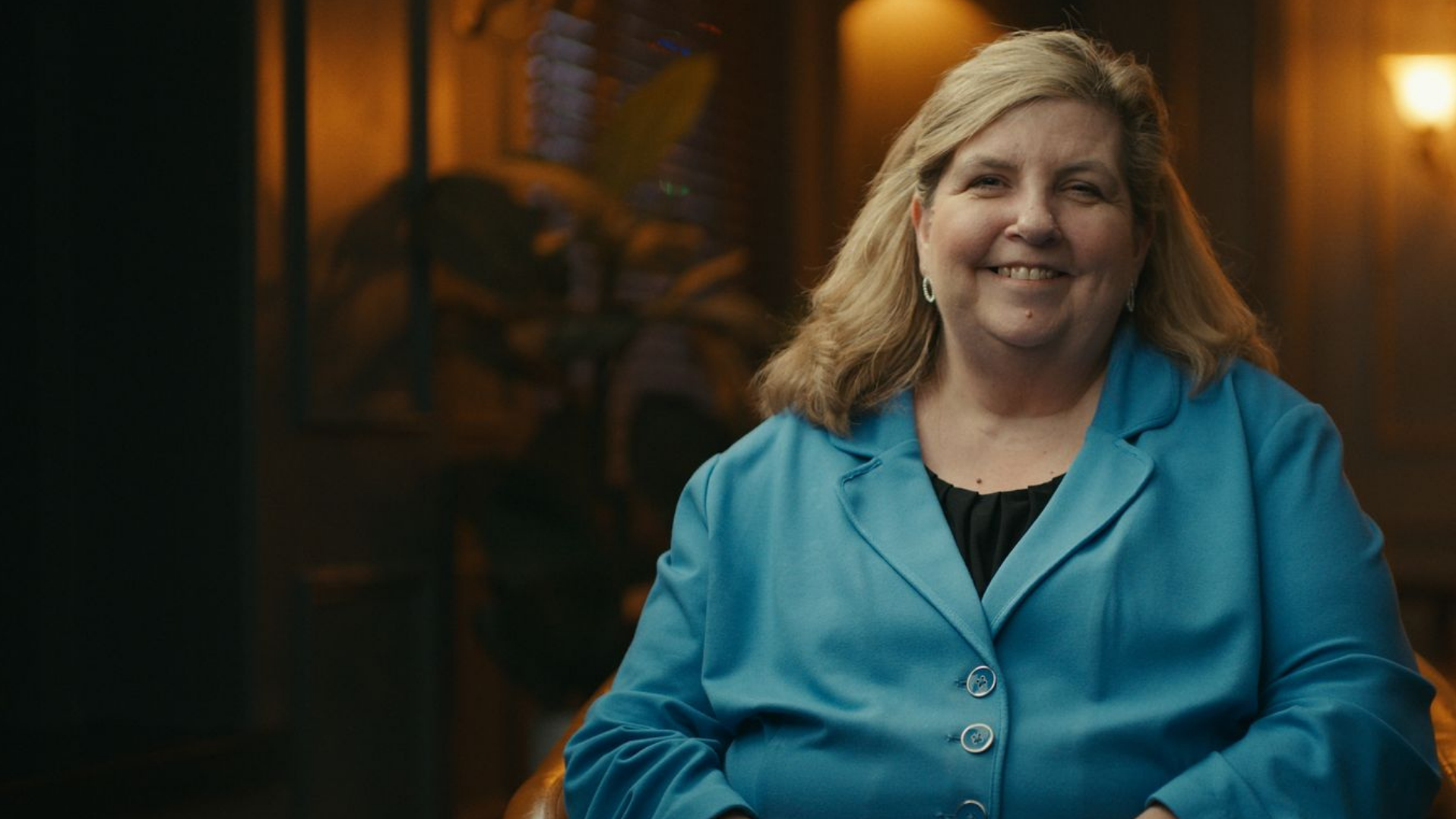
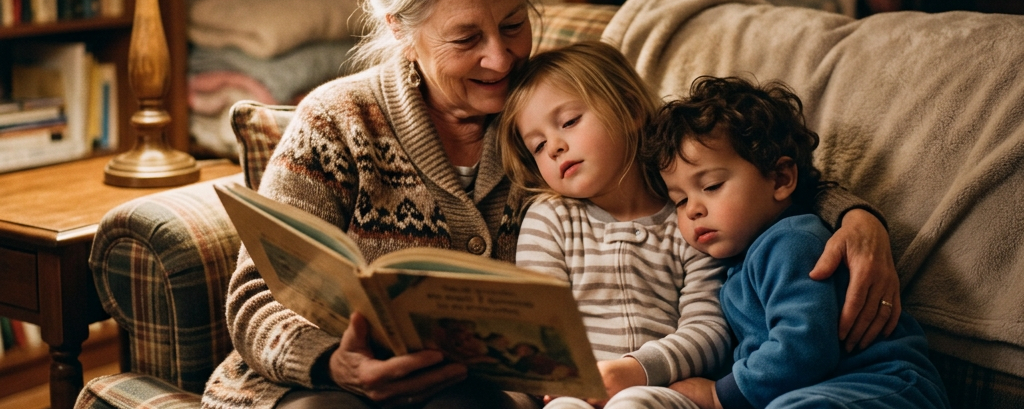
She was sixty-three, three years into what should have been a quiet retirement, and standing in a school parking lot at 7:45 in the morning holding a lunchbox and a permission slip she’d forgotten to sign, surrounded by parents thirty years younger than her. Nobody in that pickup line looked like her. That mismatch — being in the right place, doing the right thing, and still feeling entirely out of step with everyone around you — is often the hardest part of raising a grandchild, harder even than the exhaustion.
Grandparents raising grandchildren is one of the fastest-growing and least-discussed family structures in the country, and most of what gets written about it focuses on the logistics — legal guardianship, financial assistance, school enrollment — while skipping past the actual daily experience of a season nobody quite planned for.
The Circumstances Are Rarely the Ones You’d Choose
Nobody becomes a grandparent-parent through a plan. It happens through a son or daughter’s addiction, incarceration, illness, or death — circumstances that are themselves a source of grief layered underneath the grief of an unexpected role. It’s worth naming plainly: loving your grandchild fiercely and grieving the circumstances that put you back in this role are not contradictory feelings. Both are honest responses to a situation nobody asked for, and neither one cancels the other.
The Isolation Is Structural, Not Personal
The parking-lot mismatch isn’t in your head. Most support systems built around parenting — school events, playgroups, parenting advice geared toward energy levels and career stages — are built for people decades younger. That’s not a reflection of anything wrong with you; it’s a reflection of a system that hasn’t caught up to how common this arrangement actually is. Recognizing that the isolation is structural rather than personal tends to reduce some of the private shame that often comes with feeling out of place in rooms built for someone else’s stage of life.
The Body Keeps a Different Score at Sixty Than at Thirty
It’s fair, and not a failure of gratitude, to acknowledge that raising a child at sixty or seventy is physically and energetically different than doing it at thirty. The patience is often there in greater supply than it was the first time around — many grandparents describe parenting the second time with more perspective and less anxiety than they had as young parents. But the stamina genuinely isn’t the same, and pretending otherwise, or feeling guilty for needing more rest than a younger parent would, tends to make the season harder than it needs to be.
Finding People Who Actually Understand Helps More Than Advice Does
What tends to help most in this season isn’t parenting advice — most grandparents raising grandchildren have already raised children once and don’t need to relearn the basics. What helps is finding other people living the same specific, unusual version of this role: support groups, whether in person or online, made up specifically of grandparents in this position, where the isolation of the school parking lot doesn’t need explaining because everyone there already understands it without being told.
The woman in the parking lot found a group like that eighteen months in — six other grandparents, all raising grandchildren for reasons they hadn’t chosen, meeting every other week at a library community room. She still stands out in the school pickup line every morning. She no longer feels like the only one standing there.